
Pesticide use in residential yards is one of the more controllable variables in urban pollinator habitat quality. Unlike habitat fragmentation or climate shifts, pesticide exposure in a specific yard can be reduced or eliminated through deliberate management choices. This article covers the types of pesticides most relevant to yard insects, the regulatory context in Canada, and practical alternatives for common pest situations.
Understanding Pesticide Categories in the Yard Context
The term "pesticide" covers a wide range of products: insecticides (targeting insects), herbicides (targeting plants), and fungicides (targeting fungi). Each has different mechanisms and different implications for non-target insects.
Pesticide Categories and Pollinator Risk
- Systemic insecticides (e.g., neonicotinoids) — absorbed by the plant and present in pollen and nectar. Residues have been found in wild plant pollen near treated agricultural fields in Canadian research. Banned for cosmetic use on lawns in Ontario since 2009 under the Cosmetic Pesticides Ban Act.
- Contact insecticides (e.g., pyrethrin, permethrin) — not systemic, but toxic on contact. Pyrethrins, though derived from chrysanthemums, are highly toxic to bees at the time of application.
- Herbicides — not directly toxic to insects, but removal of flowering "weeds" eliminates forage. Dandelion and clover, commonly targeted by herbicides, are among the most important urban nectar sources for early-season bumblebees.
- Fungicides — generally lower direct toxicity to bees, but some fungicide residues have been detected in pollen loads collected by honeybees and may interact with other pesticide exposures.
Canadian Regulatory Context
Pesticide regulation in Canada operates at both federal and provincial levels. The Pest Management Regulatory Agency (PMRA) under Health Canada manages federal registration of pest control products. Provinces have additional authority over cosmetic and non-essential uses.
Provincial Restrictions on Cosmetic Pesticide Use
- Ontario — The Cosmetic Pesticides Ban Act (2009) prohibits most pesticide applications for cosmetic purposes on lawns, gardens, and other outdoor areas. Exceptions exist for agricultural use and certain public health applications.
- Quebec — Pesticide Management Code restricts cosmetic use; municipalities have additional authority to introduce stricter bylaws.
- British Columbia — no provincewide cosmetic use ban as of 2026, but many municipalities have adopted local bylaws.
- Nova Scotia, New Brunswick, Prince Edward Island, Newfoundland — cosmetic use bans or restrictions in place, varying by province.
Checking your municipality's specific bylaws is the most reliable way to understand what is permitted in your location. Resources are available through provincial environment ministries and local municipal websites.
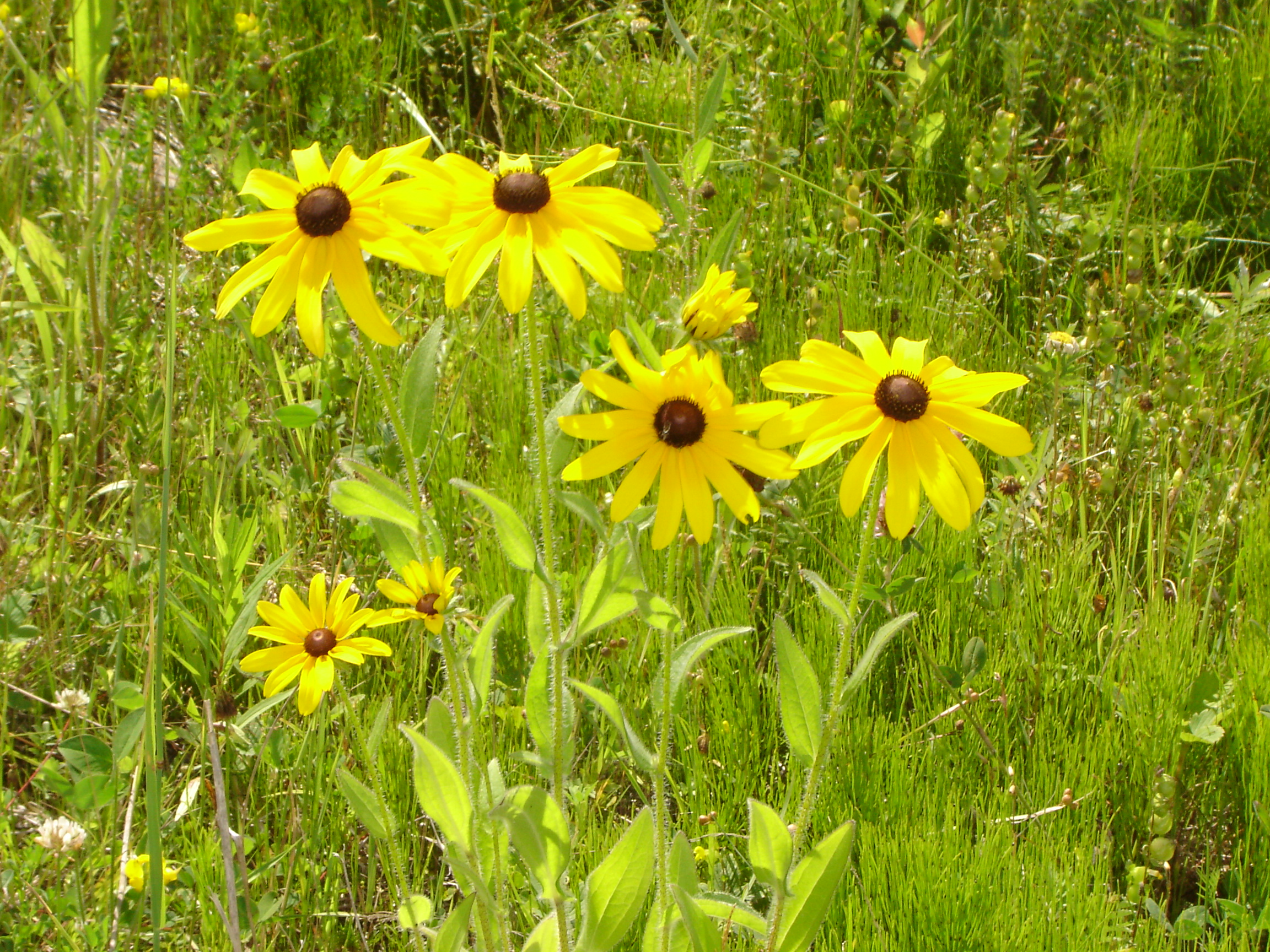
Establishing a Pesticide-Free Zone
A pesticide-free zone does not require converting the entire yard at once. A defined area — a garden bed, a back section, a strip along the fence line — can be managed pesticide-free while the rest of the yard follows other practices. The concept of a designated zone is also useful for communication with neighbours and for tracking outcomes over time.
Practical Steps for Starting a Pesticide-Free Zone
- Identify the zone boundaries. Choose an area that is at least partially sunny (at least 4–6 hours of direct sun per day) and not adjacent to areas that receive regular pesticide applications from neighbouring properties.
- Remove existing weeds by hand or with mulch. A 5–8 cm layer of wood chip mulch suppresses most annual weeds without chemicals and improves soil moisture retention.
- Plant natives suited to the existing soil and light conditions. Native plants adapted to local conditions typically establish without fertilizer and are more resistant to local pest pressure than exotic ornamentals.
- Accept some pest damage as baseline. A fully pest-free yard is not possible without chemical intervention. The presence of some caterpillars, aphids, and leaf damage indicates a functioning food web — many of these insects are themselves food sources for birds and other wildlife.
- Use physical barriers for food garden pest issues. Row covers and insect netting protect vegetable crops without chemicals and without exposing pollinators.
Alternatives to Common Pesticide Uses
| Pest Situation | Conventional Approach | Lower-Impact Alternative |
|---|---|---|
| Aphids on ornamentals | Systemic insecticide | Strong water spray; encourage lady beetles and parasitic wasps through diverse planting |
| Caterpillars on vegetables | Broad-spectrum contact insecticide | Row cover; hand removal; Bacillus thuringiensis var. kurstaki (Btk) — bacterial product affecting only lepidopteran larvae when ingested |
| Lawn "weeds" (dandelion, clover) | Broadleaf herbicide | Manual removal for aesthetics; or accept as forage plants, especially clover, which is among the top urban nectar sources for bumblebees |
| Slug damage | Metaldehyde bait | Iron phosphate bait (lower toxicity to non-target wildlife); copper tape around raised beds; reduce mulch depth in areas of high slug pressure |
| Japanese beetle on roses | Systemic neonicotinoid | Hand-picking; replace highly susceptible plants with less attractive species; avoid treating during peak bee foraging hours even with permitted products |
Timing Considerations
When pesticide use is unavoidable — for example, for permitted pest control applications — timing significantly affects pollinator exposure. Most bee foraging occurs between mid-morning and mid-afternoon during warm weather. Applications made in the early morning or evening, when flowers have closed and foraging activity is minimal, reduce, though do not eliminate, pollinator exposure.
Neonicotinoid systemic insecticides applied to soil or foliage remain in plant tissue for weeks to months, including in pollen and nectar produced after treatment. Timing restrictions alone do not address systemic contamination — avoiding systemic insecticides on flowering plants is more effective than timing restrictions for those product types.
Soil Health and Reduced Chemical Dependency
Many pest pressure problems in residential yards stem from soil conditions that favour plant stress, which in turn attracts certain insects. Compacted, low-organic-matter soils produce stressed turf and ornamentals. Over time, building organic matter through compost additions and reducing soil disturbance reduces reliance on fertilizers and pesticides simultaneously.
- Compost topdressing on lawns — improves soil biology and reduces susceptibility to grubs by supporting predatory soil organisms.
- Reducing irrigation frequency — deeper, less frequent watering encourages deeper root growth and reduces surface moisture that slug and fungal problems depend on.
- Avoiding synthetic fertilizers — high-nitrogen fertilizers promote rapid soft growth that is more susceptible to aphid infestations than plants growing in balanced, organic-matter-rich soil.